New Wave Radio Daily Show
Presented by Sporto
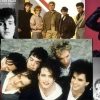
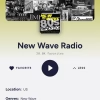
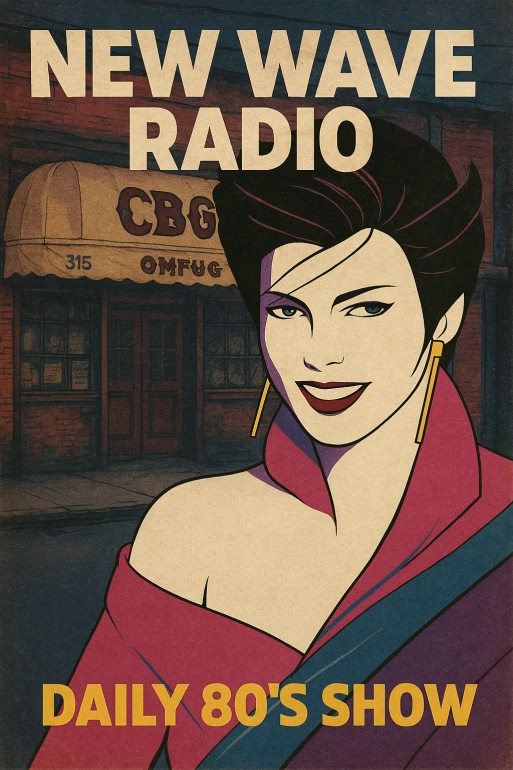
Eight hours of the songs that defined the '80s: new wave, synth-pop, post-punk and the deep cuts you won't hear anywhere else.
close Rational Youth - Heredity
Enjoying your curated playlist from Montreal, Canada!😎
Johnnie Superstock
 Public Image Ltd. - Disappointed
To New Wave Radio - The greatest!!
Getting your song on the radio isn’t about knowing someone at a station. It’s about handing a music director exactly what they need, in the format they need it, at a station that already plays music like yours. Most independent songs never get airplay because the submission is wrong, not because the song is weak.
This guide walks through how to get your song on the radio in seven steps, from a broadcast-ready master to tracking your first spins. It’s written by the programming team at NextWave Broadcasting Network, which reviews independent submissions for six streaming radio stations. Every submission is reviewed by Jonathan “Sporto”, NextWave’s Director of Programming.
Radio plays your song next to professionally mastered records, so a rough mix stands out for the wrong reasons. Before you send anything:
ArtistName - SongTitle (Radio Edit).mp3.A music director may only hear the first 20 seconds. A clean, loud, properly labeled file earns the rest of the listen.
Airplay earns royalties only if your song is registered. Do this before you submit, because you can’t collect for spins that happen before registration.
Stations have strict rules about length and language. A radio edit makes the programmer’s job easy:
Send the radio edit and keep the album version available if they ask for it.
A one-sheet is a single page that tells a music director who you are and why the song fits their station. Keep it to one page:
Save it as a PDF and put the same details on a page on your website.
The fastest way to get rejected is to send a country song to an alternative station. Listen before you submit:
Make a list of 20 to 50 stations that match your genre, with the music director’s name and the submission rules for each.
Every station has its own process, so follow it exactly. Most want one of these:
Keep your email short: one line on who you are, one line on why the song fits their station, the link, and your one-sheet. Don’t send the same mass email to every station.
Know what you’re paying for. Many stations take submissions for free. Paid services generally charge either to deliver your song or to promote it. Read what the fee covers, whether a real person listens, and whether you keep your rights.
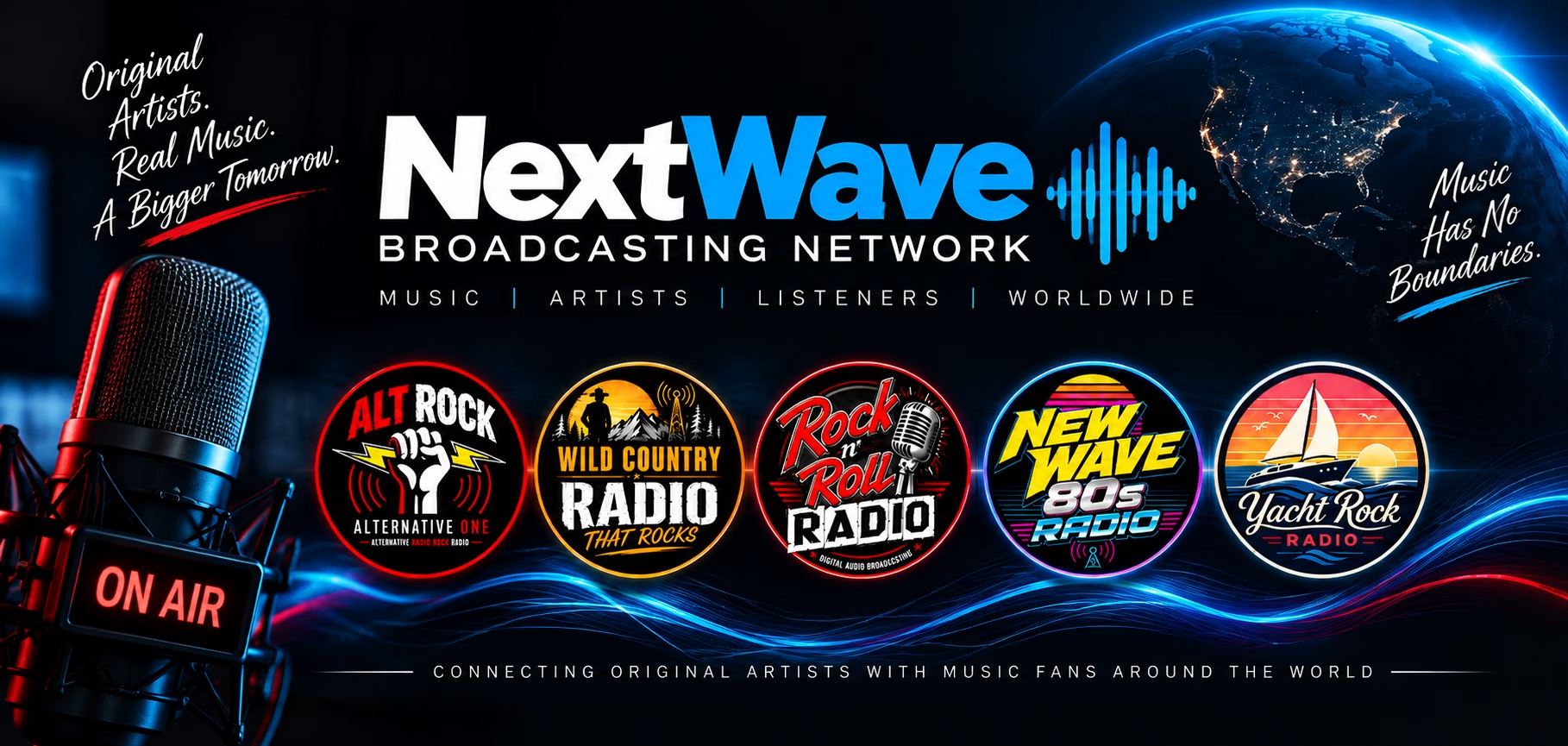
NextWave Broadcasting Network runs six streaming stations: 80s New Wave, Yacht Rock, classic rock, alternative, country and disco/dance. Submitting is free. Our programming team listens to every song and replies in under a week. If yours is approved, a one-time $25 Intern Coffee Fee applies and the song gets five days of featured airplay. You keep 100% of your rights.
If your song is radio-ready, start with stations that want independent music. Submit to NextWave for free, and if we approve it, your song gets five days of featured airplay on the station that fits it best.
Submit to internet, college and community radio stations that take independent music. Many of them, including NextWave, review submissions at no cost. Register your song with a PRO and SoundExchange first so that any airplay pays you.
Yes. Most internet, college and community stations take submissions straight from artists through a form or by email. Commercial AM/FM rotation is the one place where labels and radio promoters still matter most.
Aim for about 3 to 4 minutes, with an intro under 15 seconds and a clean version with no explicit lyrics.
Yes, if it’s registered. ASCAP or BMI pays songwriters for performances, and SoundExchange pays artists and recording owners for plays on internet and satellite radio.
Most stations take anywhere from a few days to several weeks. NextWave reviews every submission in under a week. Follow up once, about two weeks after you submit.

Eight hours of the songs that defined the '80s: new wave, synth-pop, post-punk and the deep cuts you won't hear anywhere else.
close