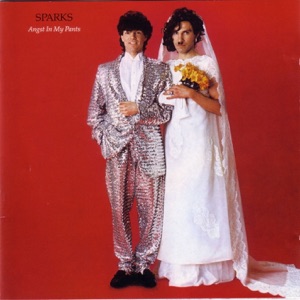
New Wave 80s Bands
The Sound That Redefined a Generation
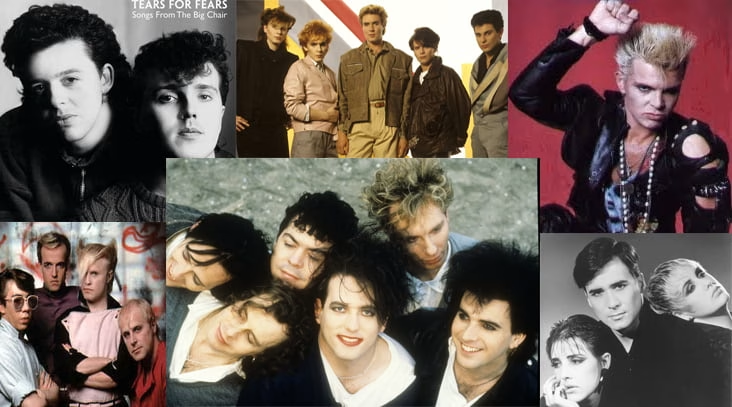
New Wave exploded onto the music scene in the late 1970s and dominated the 1980s with its fresh, experimental blend of punk attitude, electronic innovation, and pop sensibility. It was bold, stylish, and unlike anything that came before it. The genre brought synthesizers to the forefront, embraced visual flair, and introduced a wave of artists who shaped the sound of modern pop and rock.
Below are some of the most iconic New Wave bands that defined the era.
Essential New Wave Bands of the 1980s
Depeche Mode
Masters of dark, electronic pop with hits like Just Can’t Get Enough and Personal Jesus.
New Order
Born from the remaining members of Joy Division, they fused post‑punk with electronic dance music. Blue Monday remains a genre‑defining track.
Duran Duran
Known for their glamorous image, stylish videos, and hits like Hungry Like the Wolf and Rio.
The Cure
From post‑punk beginnings to gothic rock icons, they delivered classics such as Just Like Heaven and Lovesong.
The Human League
Synth‑pop pioneers behind unforgettable tracks like Don’t You Want Me and Human.
Blondie
Fronted by Debbie Harry, Blondie blended punk, disco, and New Wave with hits like Heart of Glass and Call Me.
Talking Heads
Innovative, quirky, and intellectual—known for Once in a Lifetime and Burning Down the House.
Tears for Fears
Creators of anthemic New Wave classics like Shout and Everybody Wants to Rule the World.
A‑ha
Norwegian synth‑pop legends best known for the global hit Take On Me.
Pet Shop Boys
Electro‑pop duo behind West End Girls, It’s a Sin, and countless dance‑floor staples.
These artists represent only a fraction of the movement. New Wave was vast, diverse, and constantly evolving—one of the reasons it remains so influential today.
A Brief History of New Wave
New Wave emerged in the late 1970s as a fresh alternative to punk rock. Critics used the term to describe bands that weren’t quite punk but still carried its rebellious spirit and individuality. By the end of the decade, “New Wave” became the standard label for rising underground acts in the UK and the U.S.
How It Evolved
- United States: Radio stations embraced the term “New Wave” to avoid the stigma of “punk,” helping bands like Talking Heads and Blondie gain mainstream traction.
- Europe: Synth‑driven styles flourished, especially in Germany, where electronic experimentation (including Krautrock) heavily influenced the genre.
- Breakthrough Moment: Gary Numan’s Cars (1980) became the first major New Wave hit in the U.S., paving the way for synth‑pop’s rise.
- MTV Era: The early 1980s saw New Wave explode thanks to visually striking music videos. Acts like Duran Duran, Billy Idol, Depeche Mode, and The Cars dominated TV and radio.
Why It Connected
Unlike punk, New Wave wasn’t tied to politics. It was fun, stylish, romantic, and danceable—perfect for the youth culture of the time. The fashion, the videos, the synthesizers, and the attitude all blended into a cultural moment that still resonates today.
The Legacy of New Wave
New Wave didn’t just define the sound of the 80s—it shaped the future of pop, rock, electronic, and indie music. Its influence can still be heard in modern synth‑pop, alternative dance, indie rock, and even mainstream chart‑toppers.
It was more than a genre. It was a movement—creative, colorful, and endlessly innovative.
#newwaveradio #newwavemusic New Wave Music History – New wave music is a broad subgenre of rock ‘n’ roll that combines elements of punk rock, mainstream pop music, art rock, synth pop, funk, and reggae. New wave bands largely emerged during the punk and post-punk eras of the late 1970s and early 1980s, but their influence prevailed throughout many decades of pop rock.
https://www.masterclass.com/articles/new-wave-music-guide
https://en.wikipedia.org/wiki/New_wave_music
https://www.rockinflux.com/news/2019/5/9/the-history-of-new-wave-and-why-we-love-it